Full-Spine Decompression
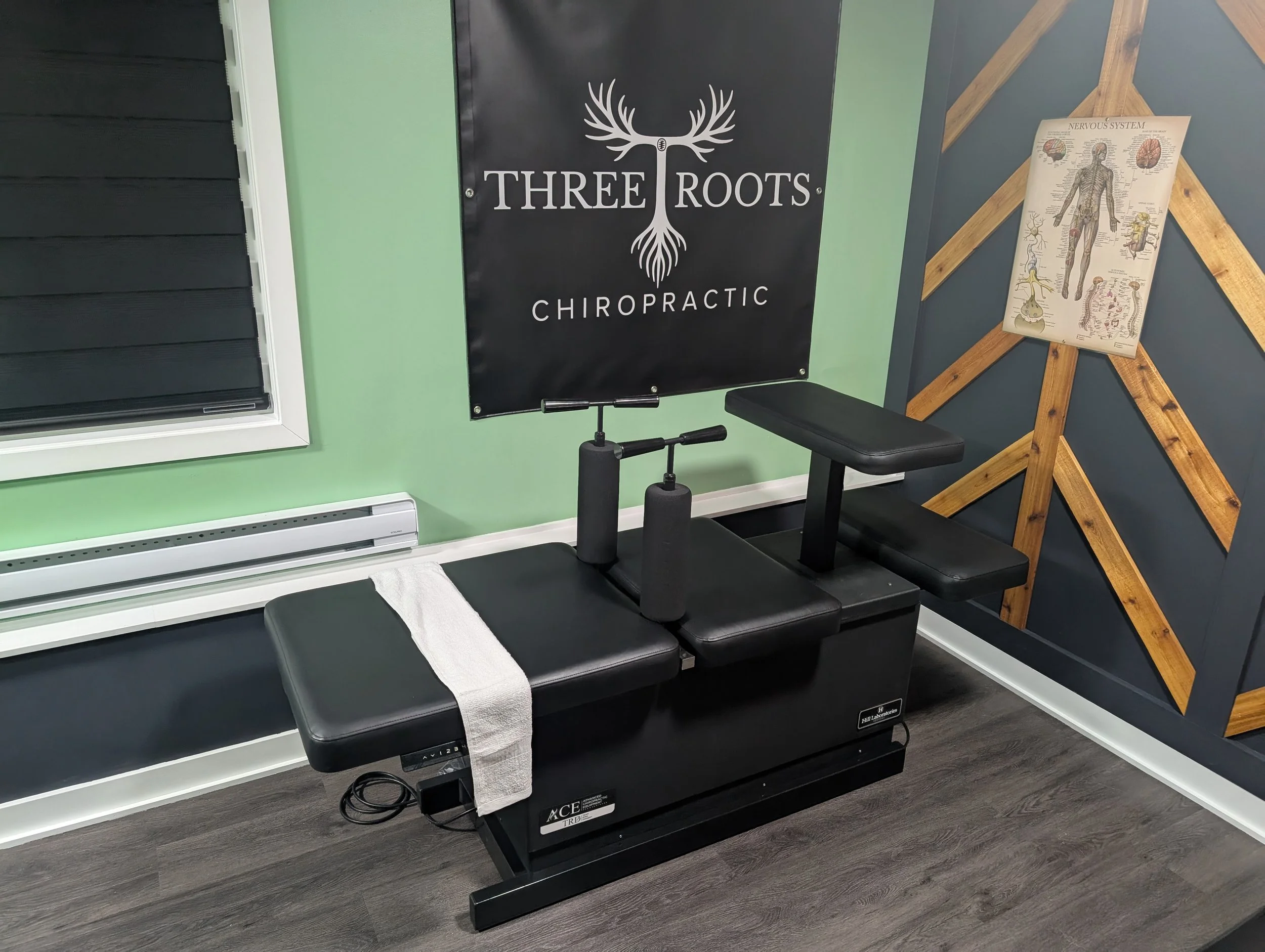
If your spine feels stuck—tight, stiff, or sore after sitting, standing, or lifting—manual full-spine decompression may help restore movement and improve comfort.
Unlike machine-based traction, this hands-on approach is designed to improve mobility throughout the spine, reduce mechanical stress on joints and surrounding tissues, and help you move more freely. The goal is simple: better movement, less restriction, and a return to the activities you enjoy.
Who it helps
Chronic headaches or neck pain
Chronic low back stiffness or pain
Sciatica and nerve irritation symptoms
Desk workers with postural tightness and forward head posture
Athletes needing spinal mobility and recovery
Patients who prefer hands-on, conservative care before injections or surgery

What to expect
60-minute assessment — evaluate posture, movement, and spinal health to confirm suitability for manual full-spine decompression.
Manual decompression along the entire spine — you may hear pops or feel immediate release throughout the spine.
Immediate reduction in stiffness is common; functional improvement continues over weeks with rehab.
Minimal downtime — most people resume normal activities the same day.
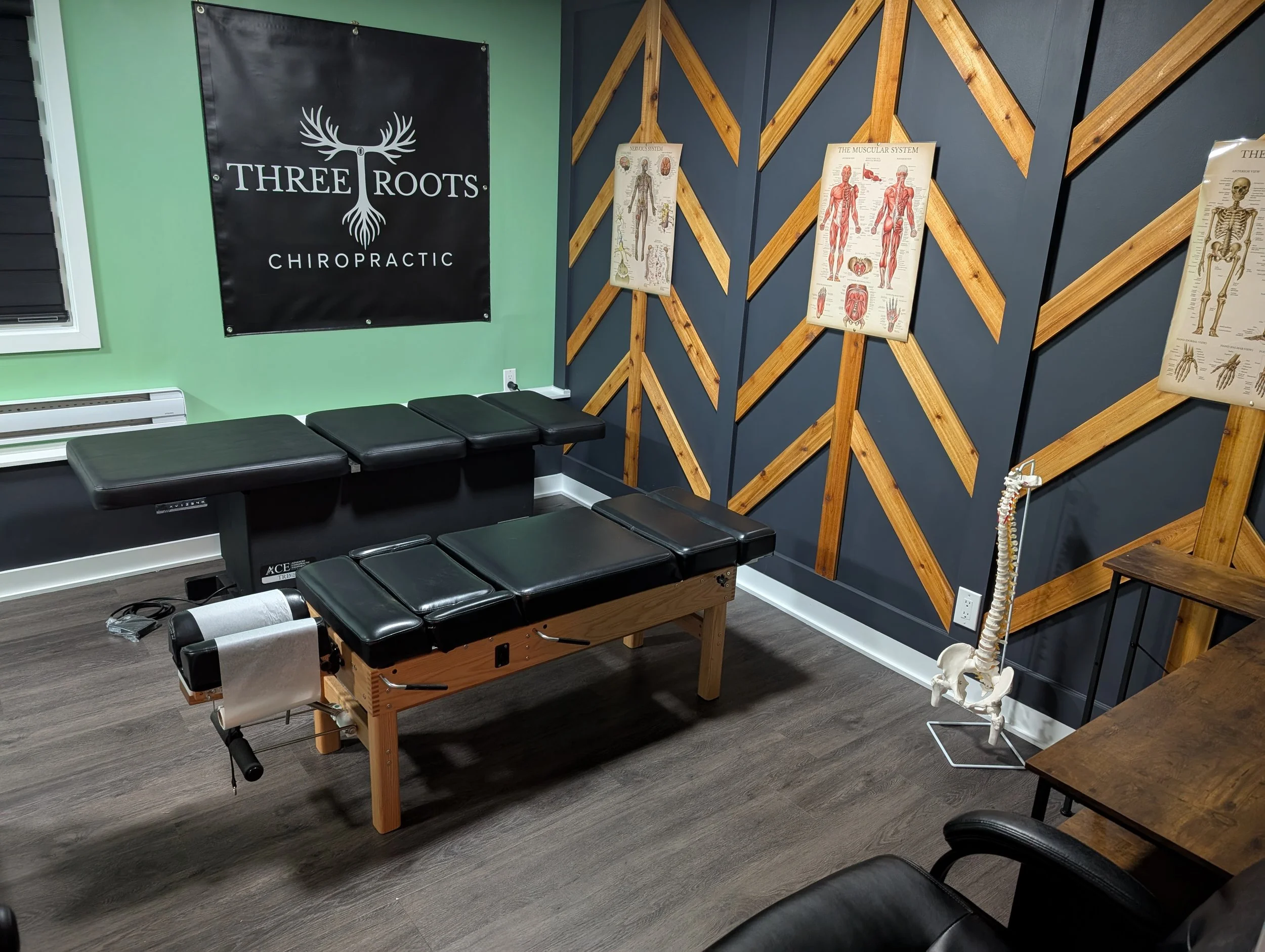
What I do
Complete history on first visit
Comprehensive neurological and orthopedic assessment
Movement analysis
Hands-on full-spine decompression + mobilizations
Soft-tissue work and corrective exercise prescription
Home strategies for posture, sleep position, and desk setup
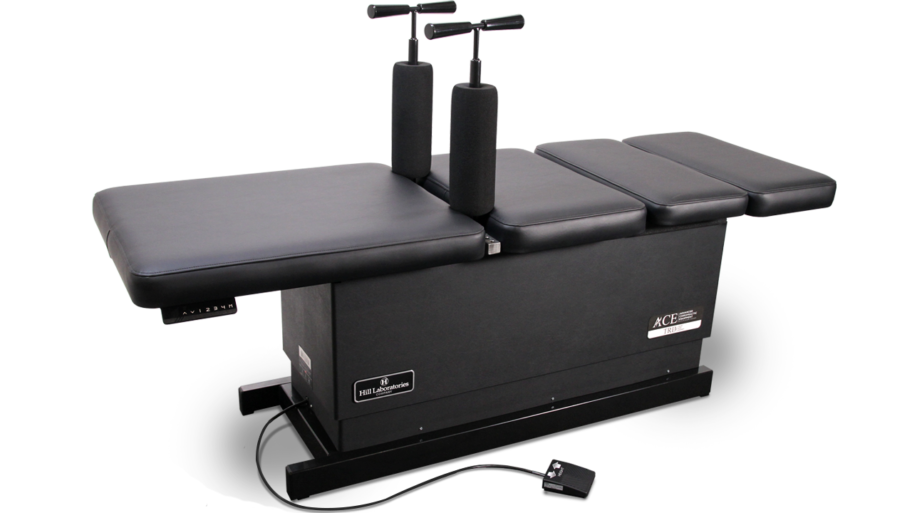
Benefits
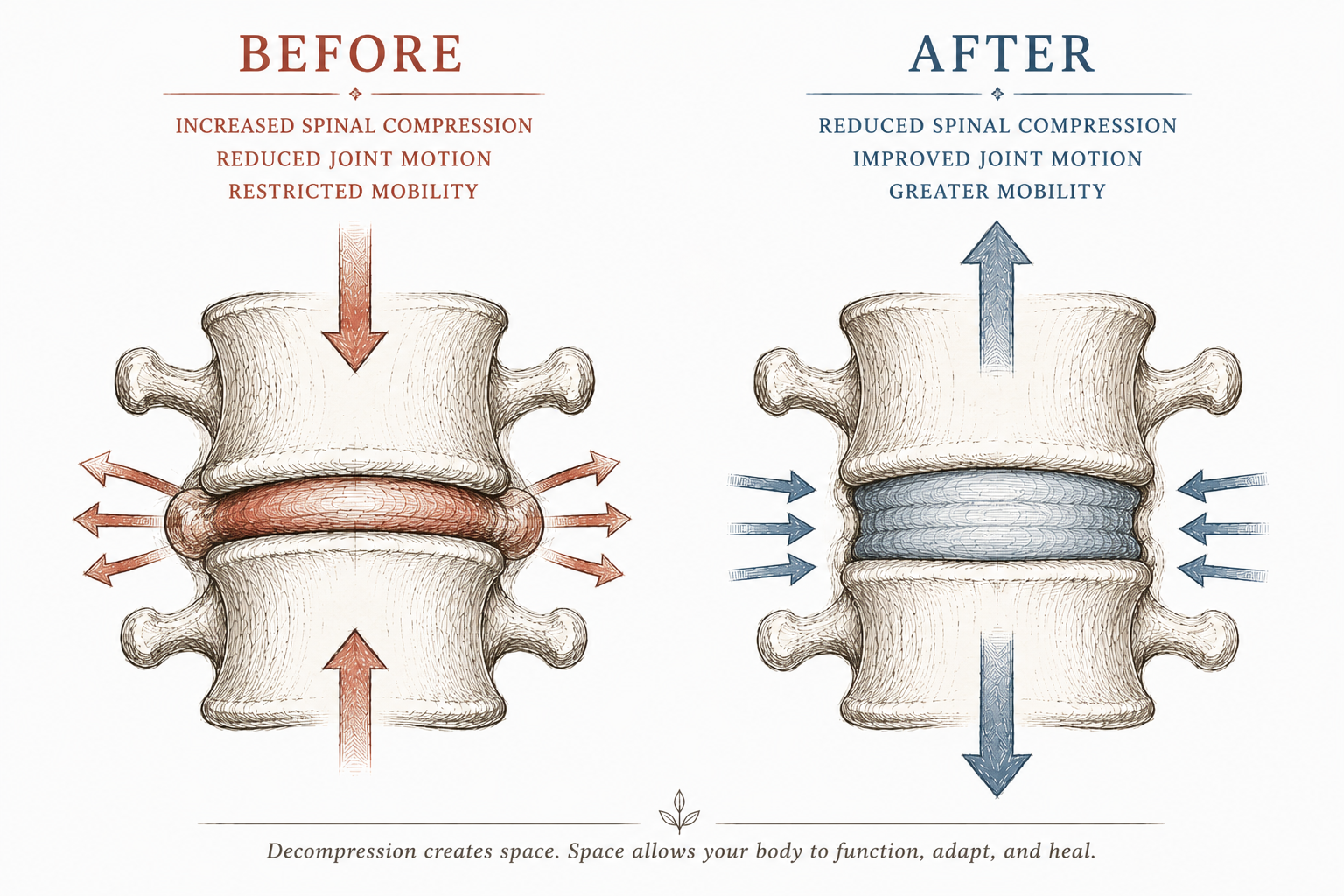
• Reduced pressure on spinal joints, discs, and surrounding tissues
• Improved spinal mobility and range of motion
• Relief from feelings of stiffness, compression, and restricted movement
• Improved posture and movement quality when combined with corrective exercise
• Non-surgical, non-invasive, patient-focused care
Is Full-Spine Decompression Right for Everyone?
Safety is always the first priority. While many people may be candidates for manual full-spine decompression, certain health conditions may make this treatment inappropriate or require modification. A comprehensive assessment is performed before treatment to determine suitability.
Manual full-spine decompression may not be appropriate for individuals with:
• Significant osteoporosis or increased fracture risk
• Certain connective tissue disorders (such as Ehlers-Danlos syndrome)
• Active spinal, bone, or systemic infections
• Recent fractures, surgery, or acute traumatic injuries
• Known spinal instability or certain structural abnormalities
• Certain vascular conditions or other medical concerns identified during assessment
• Adults over age 65, depending on overall bone health, mobility, and medical history
If manual full-spine decompression is not appropriate, alternative treatment options may still be recommended based on your assessment findings.
Combine with soft-tissue therapy and stability training for even greater release and recovery.
Frequently Asked Questions
Q: What is manual full-spine decompression?
A: Manual full-spine decompression is a precise, hands-on technique used to create space along the entire spine — from upper neck to tailbone. Instead of isolating one small area, it works the full spinal chain to reduce compression, restore motion, and relieve pressure on the discs and nerves. It’s a full-spine procedure that helps restore alignment, improve mobility, and bring back natural movement.
Q: How is this different from machine-based traction or traditional decompression tables?
A: Most traction tables or mechanical decompression devices focus on one spinal segment or region at a time — usually the low back. My approach is entirely manual and engages the whole spine in a coordinated release that addresses global tension patterns, not just local symptoms. .
Q: What kinds of issues can this help with?
A: Manual full-spine decompression can help with a wide range of conditions caused or worsened by spinal compression, including:
Chronic low back pain and stiffness
Sciatica or nerve irritation
Disc bulges or herniations (non-surgical cases)
Neck tension and headaches
Postural strain from desk work or long sitting
General loss of flexibility and movement
Many people also choose it as proactive care — to stay mobile, prevent flare-ups, and keep their nervous system clear and balanced.
Q: Does it hurt?
A: Most people find it comfortable. You’ll likely feel a immediate deep release or lightness through your spine. You may hear or feel releases as pressure equalizes between joints — a normal and often satisfying response. Every session is customized to your comfort level, and I explain each step so you always know what to expect. The two things people most often tell me after a session are that they feel a little sore — and a lot better.
Q: How many sessions will I need?
A: It depends on your goals and how long the issue has been present. Subacute or less established problems often improve within 1–3 visits, while chronic or structural patterns may need a short treatment plan (3–6 visits) combined with targeted rehab and postural coaching. I re-evaluate progress as we go to ensure each phase builds on the last.
Q: What results can I expect?
A: Most people notice immediate improvement in mobility, posture, or that “compressed” feeling. Over time, treatments help your spine hold alignment better, reduce recurring tension, and enhance overall function. When paired with stability training and soft tissue therapy, the results tend to last longer and feel more complete.
Q: Is it covered by insurance?
A: I don’t offer direct billing, but I’ll provide detailed receipts and chiropractic service codes that you can submit to your extended health provider. Most plans that include chiropractic care will cover this service under that category.
Q: What should I wear?
A: Wear clothing that allows comfortable movement — athletic or flexible attire works best. For lower-back sessions, shorts or stretchy pants are ideal; for upper-spine work, a tank top or t-shirt provides comfort and easy access for positioning.
Q: Can I combine decompression with other treatments?
A: Absolutely. Manual full-spine decompression pairs very well with soft tissue therapy, stability training, and corrective exercise. These techniques help relax tight muscles, reinforce alignment, and strengthen your foundation so the adjustments hold longer and feel more natural.
Q: Is full-spine decompression safe for everyone?
A: No. While many people are good candidates for full-spine decompression, certain conditions may make it inappropriate or require a different approach. These can include severe osteoporosis, spinal instability, recent fractures or surgery, certain connective tissue disorders, active infections, and some vascular conditions. Every patient completes a thorough health history and assessment before treatment, and I carefully screen for any contraindications to ensure the procedure is safe and appropriate for you.
Q: How should I feel afterward?
A: Most people feel lighter, looser, and more upright immediately after treatment. Soreness often occurs for a day or two — similar to post-stretch or workout soreness. Staying hydrated, moving gently, and doing your home exercises will help your body adapt and maintain the gains.