Stability Training —Rebuild from the Core Outward.
— Train the foundation that holds it all together.

What It Is
Pain relief is only part of the equation — lasting change comes from stability.
Stability training focuses on retraining the deep muscles that protect and support your spine under load: the multifidus, transverse abdominis, diaphragm, and pelvic floor. These aren’t the muscles you see in the mirror — they’re the ones that quietly prevent injury, restore posture, and keep your spine resilient against everyday stress.
When these stabilizers stop working properly (due to pain, poor posture, or inactivity), the body compensates with surface tension — tightness that feels like strength but isn’t. Over time, this imbalance leads to repeated flare-ups and structural fatigue.
Stability training rebuilds the coordination, endurance, and motor control that allow your spine to move safely again.

The Science Behind It
Research from spine biomechanist Dr. Stuart McGill shows that true spinal stability doesn’t come from bracing hard or strengthening big muscles — it comes from coordinated endurance of the deep stabilizers that protect each spinal segment.
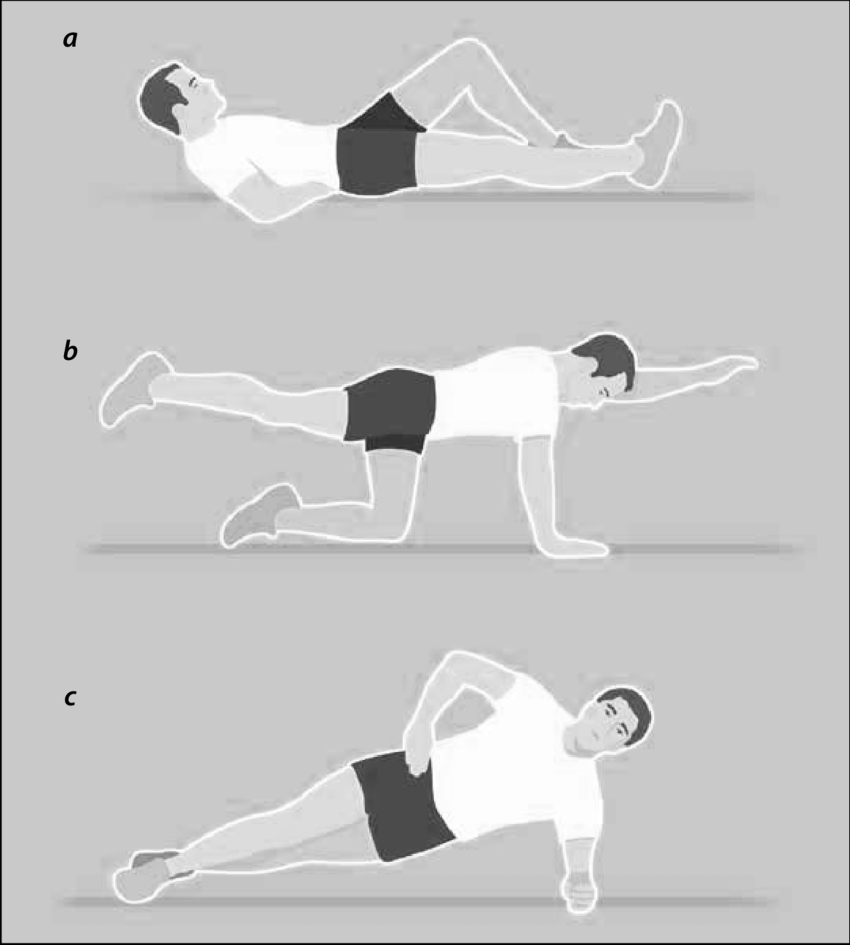
To restore this, I integrate McGill’s foundational movements — the Big Three:
(a) The McGill Curl-Up: Activates the deep core without overloading the discs.
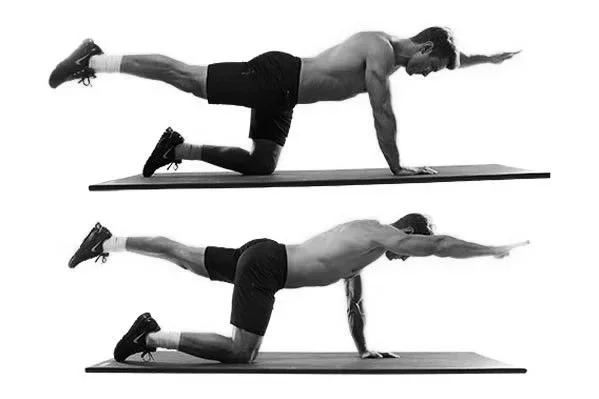
(b) The Bird Dog (or Dead Bug progression): Coordinates cross-pattern movement between spine, hips, and shoulders for whole-body control.
(c) The Side Plank: Builds lateral stability and endurance through the obliques and glute medius.
Each of these exercises is customized to your body’s needs and gradually advanced to rebuild strength where it matters most — not just for performance, but for protection.
What to Expect
Your session begins with a movement assessment to identify weaknesses, imbalances, and patterns of compensation.
From there, I’ll guide you through specific stability drills designed to:
Reinforce neutral spine posture
Activate deep core stabilizers
Improve coordination between the spine, hips, and shoulders
Build endurance before load
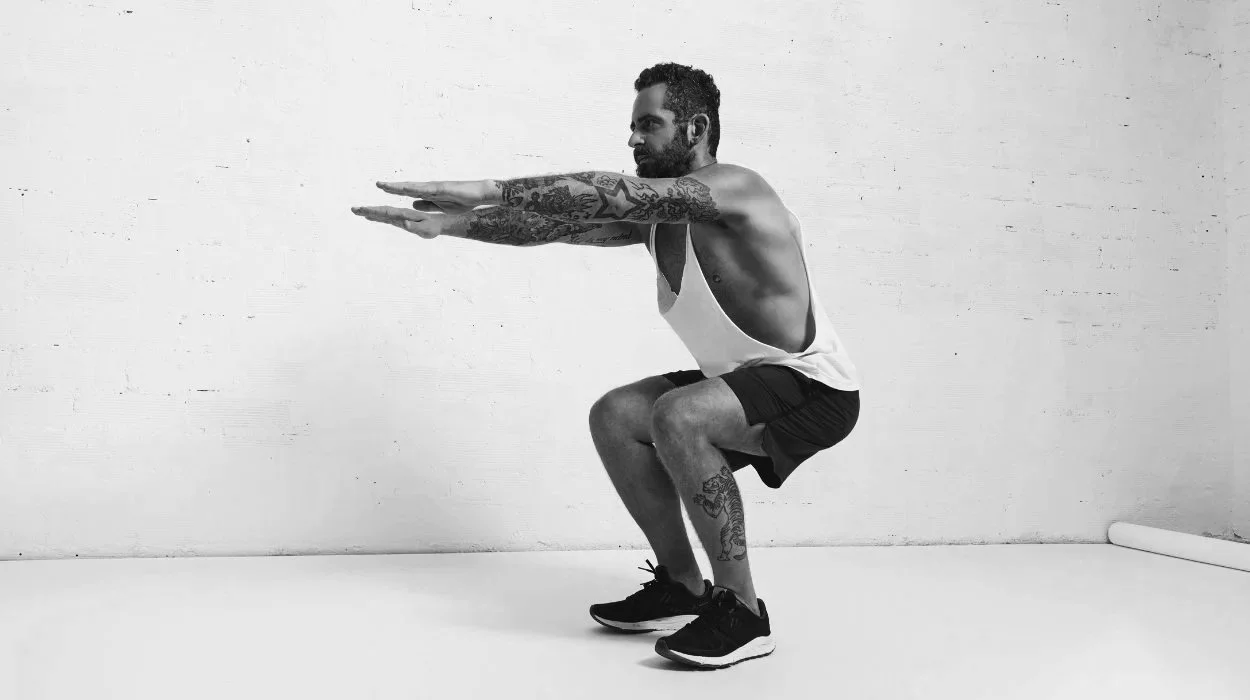
Expect focused, precise work — slow, controlled, and deeply engaging. You’ll feel muscles turn on that you didn’t know existed. Most patients notice increased balance, better posture, and less pain within a few sessions.
Why It Matters
Without stability, mobility becomes fragility.
Every adjustment or decompression session depends on your body’s ability to hold alignment once restored. Stability training locks in those changes by giving your nervous system control.
It’s also one of the best preventive tools available — improving resilience to lifting, sitting, and stress.
When you can control your spine under pressure, you reduce the risk of relapse and create long-term independence in your movement and health.

Integrating It with Your Care
Stability work fits seamlessly with your other treatments:
After manual decompression, it teaches your body to maintain that new space.
Following soft tissue therapy, it helps reset muscle tone and re-educate coordination.
Combined with home movement coaching, it creates a lasting shift toward strength and balance.
My goal is to make your spine not just pain-free — but bulletproof.
Combine with Manual Full-spine Decompression and Soft-tissue Therapy to improve results and make quicker gains.
Frequently Asked Questions
Q: What is stability training?
A: Stability training focuses on retraining the deep core and spinal stabilizer muscles that protect your back from strain and injury. It’s not about heavy lifting — it’s about teaching your body to move with control, balance, and endurance.
Q: What are McGill’s Big Three exercises?
A: They’re three foundational movements — the curl-up, side plank, and bird dog — developed by Dr. Stuart McGill to restore spinal stability safely and effectively. They train the core to resist motion rather than create it, keeping the spine stable during daily activity.
Q: Who is stability training for?
A: Anyone with recurrent back pain, weakness after injury, poor posture, or difficulty maintaining alignment can benefit. It’s also excellent preventive care for athletes, desk workers, and anyone wanting to move with confidence.
Q: Does it replace traditional exercise?
A: No — it complements it. Stability training forms the foundation for every other kind of movement or sport. Once you’ve built this control, strength training, mobility work, and daily activities all become safer and more effective.
Q: How long does it take to see results?
A: Most people notice improvements in awareness, posture, and pain within a few sessions. With consistency, strength and resilience continue to build over several weeks.
Q: Is it covered by insurance?
A: I don’t offer direct billing, but I provide detailed chiropractic receipts and service codes you can submit to your extended health provider. Most plans covering chiropractic care will reimburse this service under that category.
Q: Will I get homework or exercises to do at home?
A: Yes — I’ll provide simple, tailored exercises you can do in minutes each day to reinforce what we build in-office. Consistency is key to lasting results.