Soft Tissue Therapy —Restoring Flow, Function, and Freedom.
—When the body feels bound up, it’s rarely the joints alone. Tension lives in the muscles, fascia, and connective tissue — the body’s soft architecture.
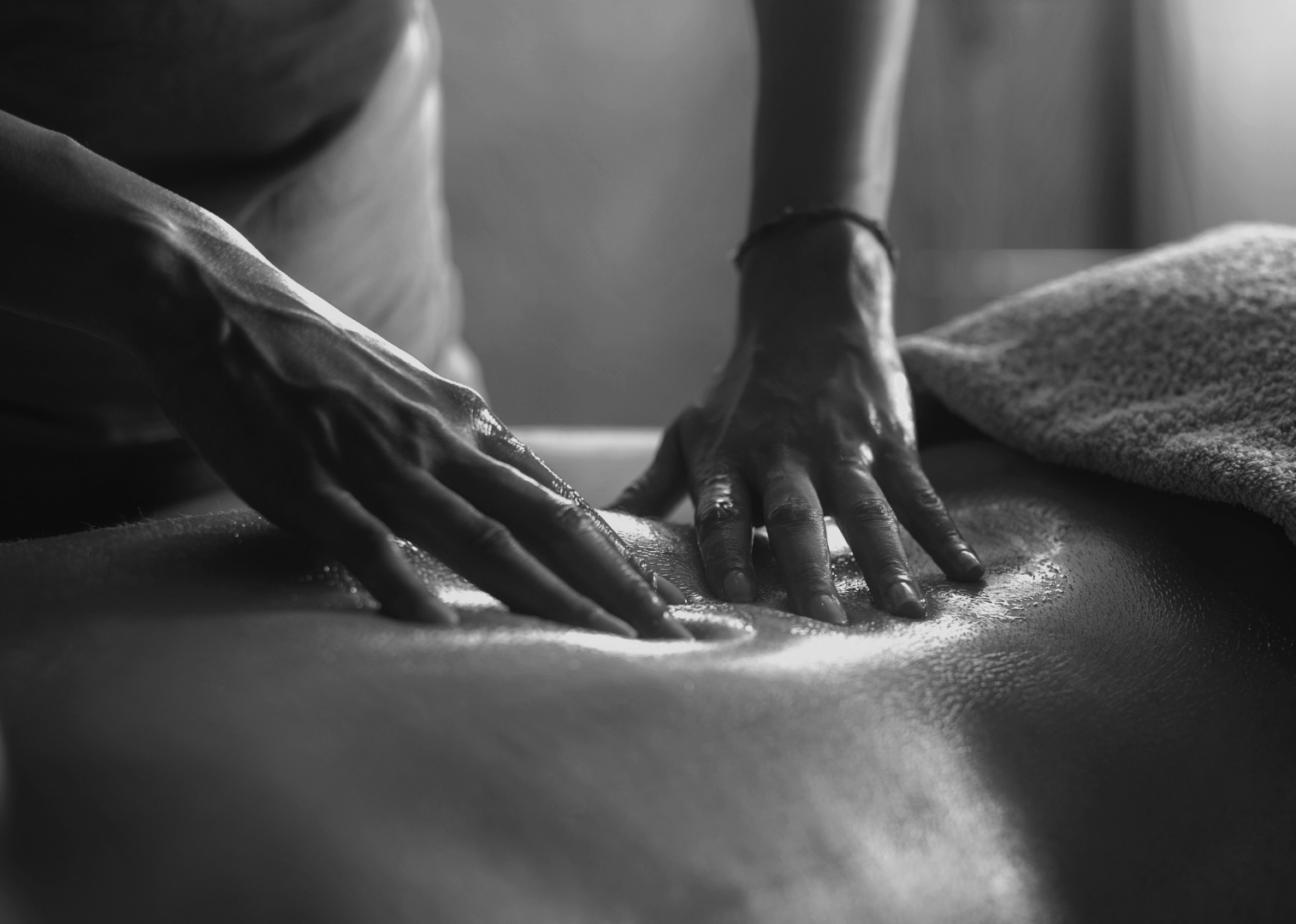
What It Is
Soft tissue therapy targets the muscles, fascia, and connective tissue that support your spine and joints. When these tissues tighten, scar, or lose glide, they limit motion and pull your structure out of balance — creating pain, stiffness, and fatigue.
By restoring flexibility, circulation, and balance to the body’s soft systems, we can make lasting improvements in posture, performance, and recovery. This is the foundation for everything else — decompression, stability, even daily life.
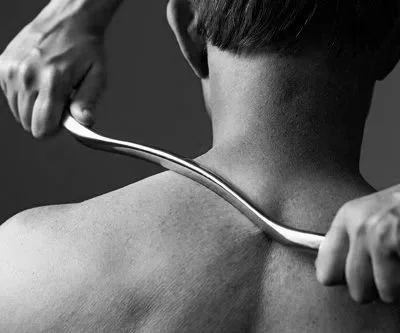
The Techniques I Use
Every patient’s body responds differently, so I blend several methods to reach the layers that need change most:
Instrument-Assisted Soft Tissue Therapy (IASTM): Stainless steel tools help detect and release adhesions, stimulate healing, and remodel scar tissue.
Percussion Massage: Rapid vibration loosens stubborn muscle tension, increases blood flow, and primes the body before adjustment or rehab.
Heat Therapy: Soothes protective muscle tone and improves tissue elasticity for a deeper, safer release.
Muscle Energy Technique (MET): Uses gentle guided contractions to reset joint position and restore balanced movement patterns.
Each technique complements the others — blending mechanical precision with hands-on intuition.

Why It Matters
Muscles don’t just move joints — they protect them.
When they’re tight or overworked, they compress, restrict, and inflame the structures they should support. Over time, this creates the stiffness, weakness, and “locked-up” feeling so many people live with every day.
Soft tissue therapy breaks that cycle. It restores blood flow and helps your body move freely again.
Most patients describe the result in simple terms:
—“A little sore — and a lot better.”
Combine with Manual Full-spine Decompression and Stability training to deepen the release and maintain the gains.
Frequently Asked Questions
Q: What is soft tissue therapy?
A: Soft tissue therapy refers to hands-on or instrument-assisted techniques that target the muscles, fascia, tendons, and connective tissues of the body. The goal is to reduce tension, improve mobility, and promote healing through better circulation and tissue repair.
Q: What conditions can soft tissue therapy help with?
A: This type of therapy can help with:
Muscle tension and stiffness
Postural strain and upper-crossed or lower-crossed patterns
Neck pain, back pain, and headaches
Tendon irritation, scar tissue, and restricted fascia
It’s also beneficial for improving recovery after spinal decompression or adjustments.
Q: What does instrument-assisted soft tissue therapy feel like?
A: You’ll feel a firm, gliding pressure as I move the tool along the tissue. Some mild redness or warmth may appear — that’s normal and indicates increased circulation. Most patients describe the sensation as “deeply relieving,” and notice looser movement right away.
Q: Does soft tissue therapy hurt?
A: It shouldn’t. You may feel pressure, stretching, or brief discomfort as tight areas release, but the goal is always controlled, therapeutic sensation — not pain. I adjust pressure to your comfort level and communicate throughout the session.
Q: How many sessions will I need?
A: Acute or mild tension may improve in just one to two sessions, while chronic restrictions often require a short course of care (4–6 visits) to fully resolve and stabilize. Results tend to build progressively as the tissue remodels and strengthens.
Q: Is this covered by insurance?
A: I don’t offer direct billing, but I provide detailed receipts with chiropractic service codes that you can submit to your extended health provider. Most plans that include chiropractic coverage will reimburse this service under that category.
Q: What should I wear for treatment?
A: Comfortable clothing that allows access to the treatment area works best — shorts, a tank top, or light athletic wear. For instrument or percussion work, the skin is typically exposed, so layers that can be easily adjusted are helpful.
Q: Can I combine this with other treatments?
A: Absolutely. Soft tissue therapy works best when combined with manual full-spine decompression, stability training, and corrective movement. Releasing tight tissues allows the spine to move more freely, and strengthening afterward helps those improvements last.
Q: Will I be sore afterward?
A: It’s common to feel a mild, workout-like soreness for a day or two — that’s your tissues adapting to improved circulation and mobility. Most people describe it best as “a bit sore, and a lot better.”