The Hidden Forces Breaking Us Down
—We were built to move, breathe, and adapt — yet modern life compresses us into stillness. The result is a slow, silent collapse of the systems that keep us alive.

The Compression Crisis
We live in a world that asks our spines to do what they were never built to do — sit still.
The human body evolved to walk, climb, squat, twist, and breathe deeply in rhythm with nature. Yet modern life demands stillness: we sit to eat, to drive, to work, and to rest. The result is a continuous downward load on the spine — spinal compression — that slowly collapses the space between our vertebrae, limits circulation, and overstresses muscles that were designed for motion, not support.
Over time, the deep stabilizing muscles that should hold us upright begin to switch off. The body compensates with surface tension — overactive traps, tight low backs, and hip flexors that pull the spine forward. This isn’t just bad posture; it’s structural fatigue.
The discs lose hydration, the joints lose motion, and the nervous system becomes hypersensitive to even normal stress.

This is the hidden epidemic:
84% of adults will experience significant back pain in their lifetime (NCBI).
More than 619 million people worldwide live with chronic low back pain — now the leading cause of disability (PMC).
Back pain is not random — it’s the physical consequence of a lifestyle that constantly compresses and rarely restores.
The longer compression persists, the less adaptable the body becomes. That stiffness you feel after a long day at the desk? It’s your body trying to tell you something — your spine is running out of space.

Movement Matters — How the Spine Feeds the Body
Your spine isn’t just a stack of bones — it’s an energy conduit. It houses your nervous system, protects vital neural pathways, and supports the circulation of cerebrospinal fluid, and nutrients.
When the spine moves well, it pumps and feeds your entire system.
When it doesn’t, stagnation sets in — both structurally and metabolically.
Each vertebral segment acts like a piston, moving fluid, regulating pressure, and keeping tissues alive. Compression limits this natural rhythm. The result is a cascade:
Slower tissue recovery
Reduced nutrient delivery
Accumulated inflammation
Higher pain sensitivity
Movement drives metabolism. When you stop moving well, your metabolism slows — and that’s where the next layer of the problem begins.

The Metabolic Cascade
Beneath the physical compression lies a metabolic one. Our cells — specifically, our mitochondria — are struggling under modern stress.
Poor nutrition, disrupted sleep, chronic stress hormones, and lack of activity all impair the body’s ability to produce and use energy efficiently.
According to recent data, over 93% of adults show at least one marker of metabolic dysfunction — including high blood sugar, high triglycerides, excess waist circumference, or elevated blood pressure (CDC/NHANES).
That means nearly everyone is living in a subtle but chronic state of metabolic overload — the energy systems that once fueled us now inflame us.
Metabolic triggers that drive spinal and soft-tissue problems include:
Chronic inflammation: increases nerve sensitivity and slows healing.
High blood sugar: damages collagen and connective tissue integrity.
Excess weight: amplifies spinal loading and joint wear.
Mitochondrial inefficiency: reduces the energy available for muscle tone, repair, and posture.
Chronic stress (cortisol): drives tension, fluid retention, and accelerates degeneration.
These aren’t abstract medical terms — they’re the daily background noise of modern life. And together, they make the spine weaker, slower to heal, and more prone to pain.
The Mitochondrial Connection
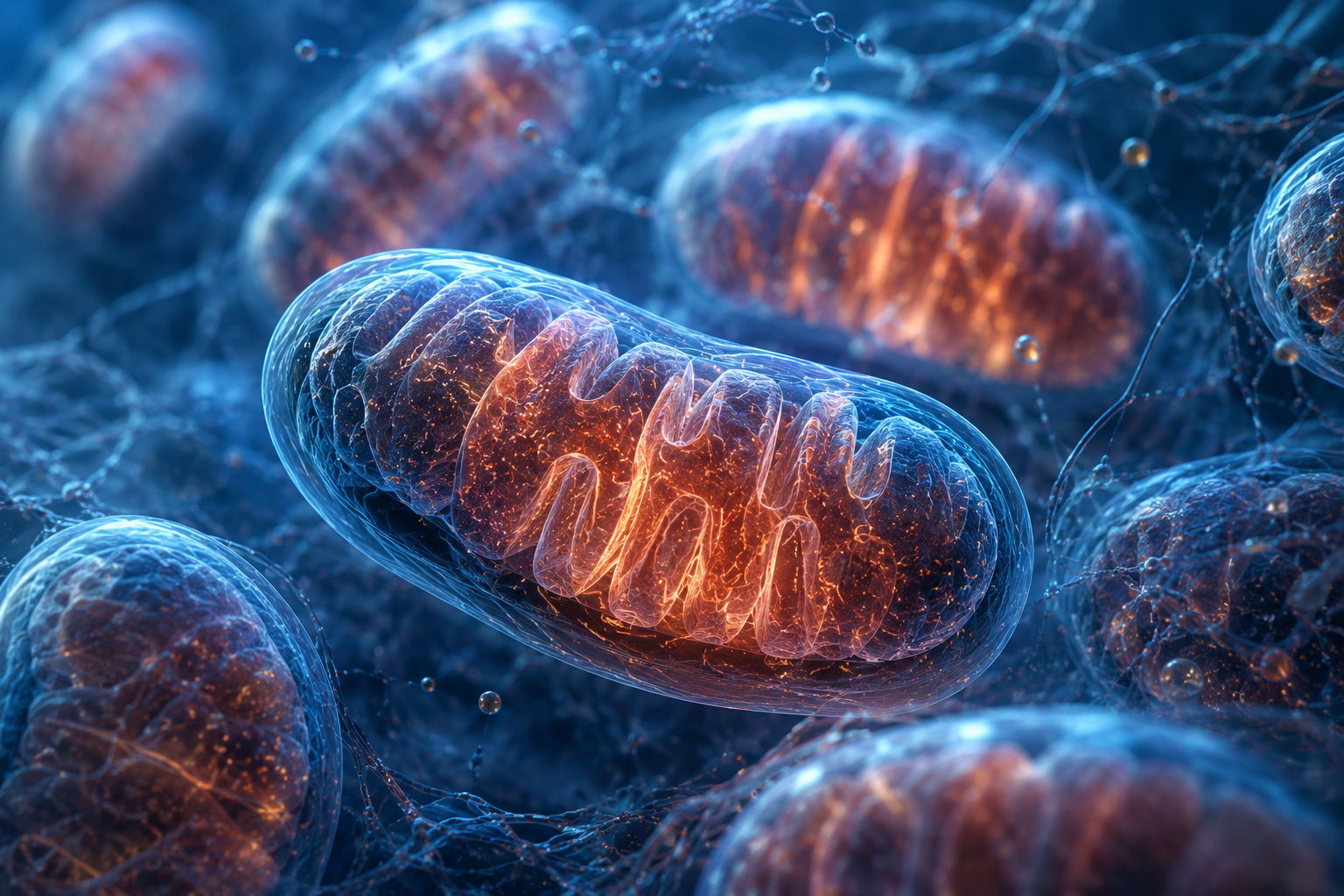
The mitochondria — the tiny “powerhouses” inside nearly every cell — are the link between movement, metabolism, and healing. When they function well, they generate energy (ATP) to power nearly every cell in your body. When they falter, energy production declines, inflammation rises, and tissue repair slows.
Mitochondrial dysfunction has been implicated in nearly every major chronic condition — including fatigue, neuropathy, cognitive decline, and chronic pain syndromes.
In spinal health, it manifests as muscles that fatigue quickly, discs that lose hydration, and tissues that simply don’t recover the way they should.
Healthy mitochondria thrive on movement, oxygen, and nutrient density — the very things our lifestyles have stripped away. Restoring spinal motion and metabolic flexibility reignites this energy system, giving your body the fuel to heal itself again.

The Endgame — Chronic Disease and Early Decline
Left unchecked, the same metabolic dysfunction that weakens your spine eventually affects every system in the body.
The same forces — chronic inflammation, mitochondrial decline, and insulin resistance — are the root drivers of our most common causes of death:
Heart disease
Diabetes
Cancer
Neurodegenerative diseases like Alzheimer’s and Parkinson’s
These are not random diseases; they are the end stages of chronic metabolic imbalance — the long-term result of living out of sync with our design.
When you restore movement, balance, and energy, you’re not just protecting your back — you’re protecting your future.

The Path Forward
The good news? You're not stuck where you are today.
The body is adaptable. With the right combination of movement, recovery, and hands-on care, it can become more resilient over time.
At my clinic in Colwood, I help restore movement, reduce mechanical stress, and support long-term function through manual full-spine decompression, soft tissue therapy, and stability retraining.
The goal isn't simply to feel better — it's to move better, live better, and stay active for years to come.